



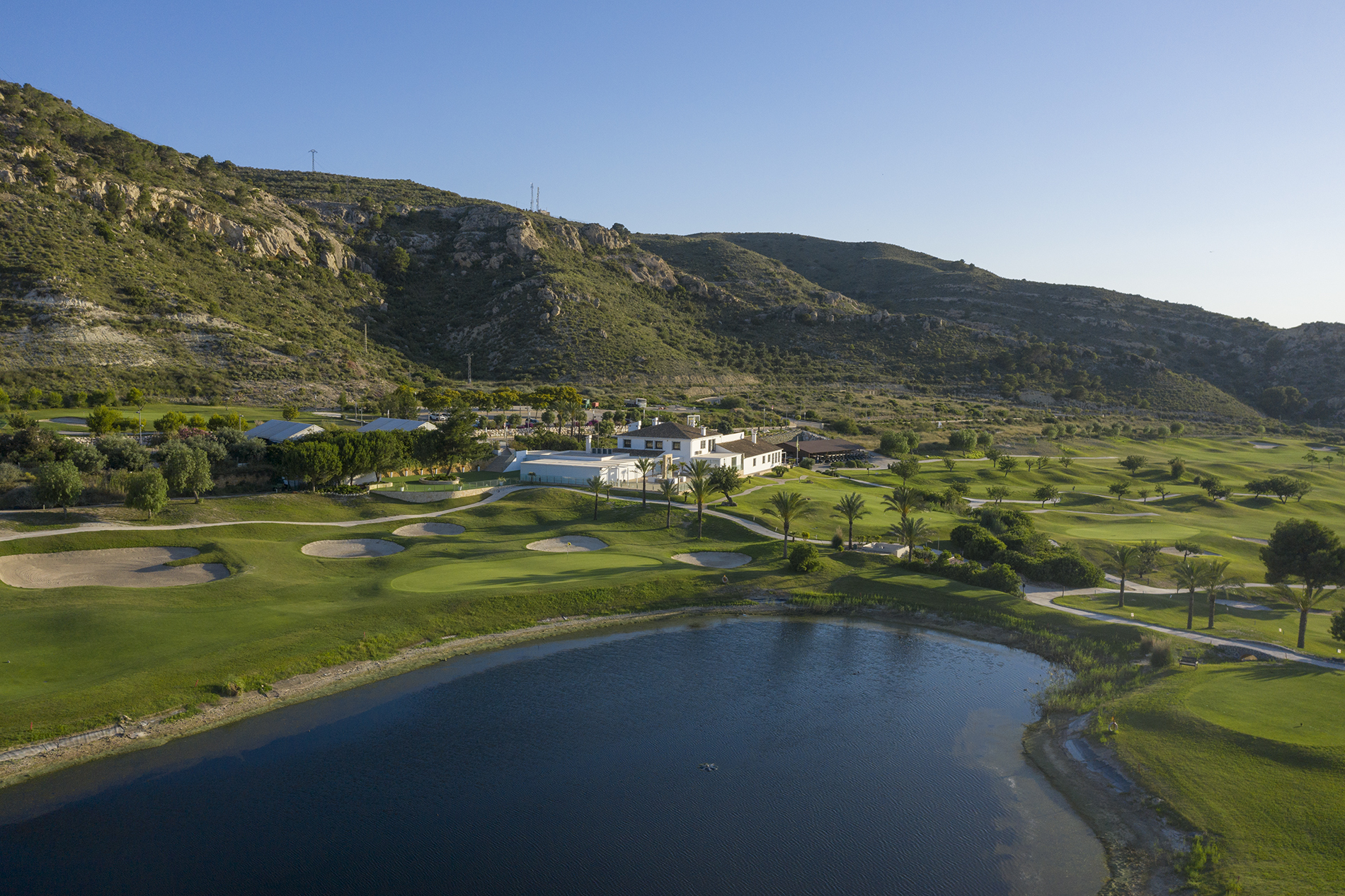
Golf Real Estate in Costa Blanca and Costa Cálida: A New Driver of Spain’s Luxury Market
There is a factor that is gaining more and more weight within Spain’s luxury real estate market. It is not about services, space, or price, but about a sport: golf. Golf real estate is emerging as one of the clearest trends among international buyers looking for a home on the Spanish coast.
Premium properties located next to prestigious golf courses are seeing growing demand, especially from international buyers. Buyers increasingly value views over the course, direct access to the fairways, and proximity to private clubs, restaurants, wellness facilities, and premium services, turning these villas into true strategic assets that combine sport, privacy, and a lifestyle surrounded by nature.
Golf Real Estate in the Valencian Community: Among the Leading Regions
The link between golf and the luxury property market is not just generating interest, it is also driving investment. According to data from the Spanish Golf Courses Association, the Valencian Community ranks among the regions with the highest property wealth tied to this sport, with a volume exceeding 17,500 million euros, second only to Andalusia nationwide.
This figure confirms what has long been felt in the golf real estate market on the Costa Blanca: the golf courses of the province of Alicante, many of them built into residential developments in areas such as Jávea, Denia, Orihuela Costa, or the inland Vega Baja region, are part of what draws international buyers to settle in the area, beyond sun and beaches. The same is true for golf real estate on the Costa Cálida in Murcia, where courses around La Manga and the Mar Menor have become a draw for buyers seeking sport, tranquillity, and mild weather all year round.
In both areas, a strong supply of quality golf courses, combined with an already well-established community of foreign residents, means demand does not rely solely on seasonal tourism, but on a type of buyer who returns year after year and eventually invests in a property of their own.
From Golf Tourist to Homeowner
One of the most revealing findings in the report concerns the shift from tourist to buyer. While only 5.7% of conventional international tourism ends up in the purchase of a home in Spain, that figure rises to 27% among golf tourists, making them five times more likely to become residential buyers.
For buyers, this figure explains why golf real estate in Costa Blanca and Costa Cálida, with an established golf offering, maintains more stable demand throughout the year. For sellers or owners of a property near a golf course, it is a strong argument when positioning the home for international buyers looking for more than just a house with a pool.
An Economic Driver Beyond Real Estate
According to the Association’s calculations, golf generates an economic impact of close to 16,000 million euros, supports 132,994 jobs, and accounts for around 3% of GDP when direct, indirect, and induced effects are taken into account.
In addition, 8.9 out of every 10 euros generated by golf tourism is spent outside the course itself, boosting sectors such as hospitality, retail, and services, something also reflected in the economic vitality of coastal municipalities where this type of tourism has the strongest presence, as is the case in much of the Costa Blanca and Costa Cálida.
Taken together, the data confirms that golf real estate has stopped being a simple leisure add-on and has become a real decision-making factor when buying a home in Spain, particularly in the Valencian Community and the Region of Murcia, where this sport is part of the lifestyle sought by many international buyers.